I began my academic journey as a teenager studying Political Science at Universidad de Los Andes in Colombia. I was curious to learn about the connection between power and human development, in the context of the country with the lengthiest conflict in the Western hemisphere. I was intrigued by how inequality and health were lived in the developing world, in the social ecological realities of extreme poverty, war, weak institutions, and complex social challenges. How can these all co-exist with elevated levels of (individual) subjective well-being? My internship was a life changing step, as I engaged in the top social science research center in Colombia and met bold and bright researchers committed to engage with the communities they serve.
After completing my BSc thesis, I moved to (Barcelona) Spain to pursue a Master’s degree in Sociology and Demography. This training in quantitative sociology helped me gain a deeper understanding of global health research and inspired me to seek for professional experiences outside of academia before pursuing my Ph.D.
Working in the private sector, policy and education, before my Ph.D. Training.
After completing my graduate studies in Spain, I returned to Latin America to work for the Colombian government on research and innovation projects. More specifically, I worked for the Bolivar government where I was responsible for creating the first-ever regional government-think tank. I also authored the most ambitious grant project for doctoral training (to date) to give access to doctoral international fellowships for non-traditional students in our region – one of the poorest and more conflicted areas in the country. At the time, and still today, the Caribbean region of Colombia has one of the most promising economies and the lowest rates of doctors (in any field) in Colombia. With an investment of more than 40 million USD, this reality began to change.
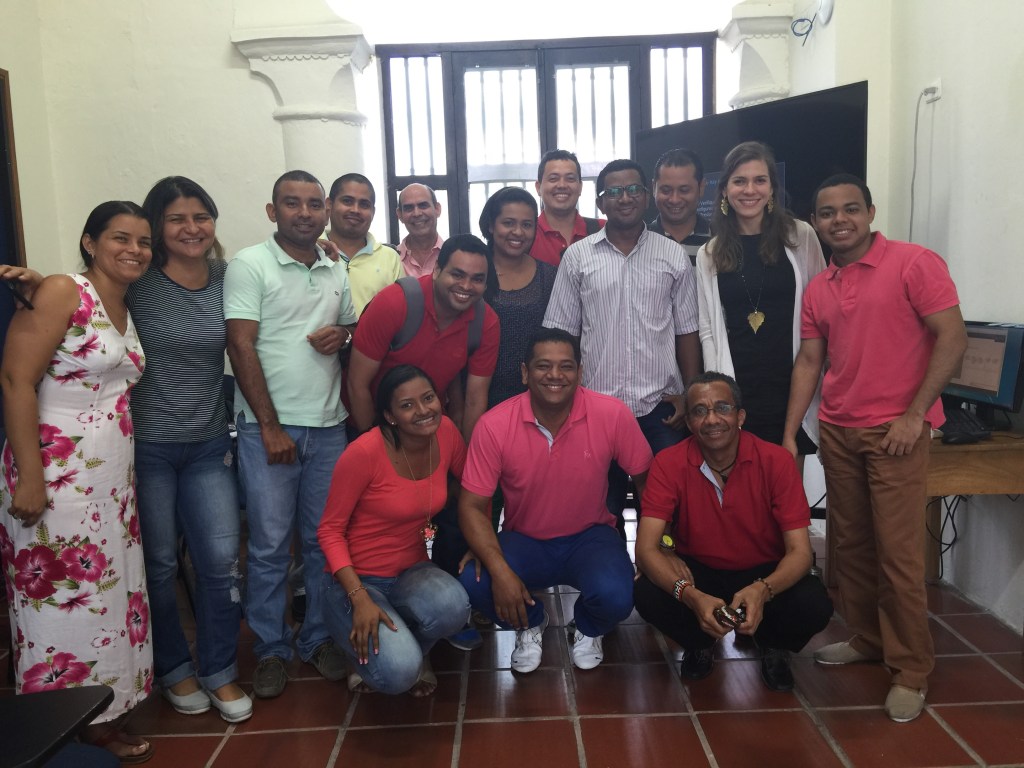
After three years of leadership experience in regional policy work and non-profit organizations, I returned to academia as a project and planning director at Universidad Jorge Tadeo Lozano. During my time serving the university, I led a cultural intervention project titled Laboratorios Vivos (Cultural Labs), an applied research grant that aimed to promote healthy adolescent development through a community-based educational intervention in two rural afro Caribbean communities.
Simultaneous to these project leadership roles, I was also teaching graduate and undergraduate courses in quantitative and qualitatively research methods and project management.
During this time I also completed a my second Master in Development and Culture, with a thesis in on poverty perception and culture.
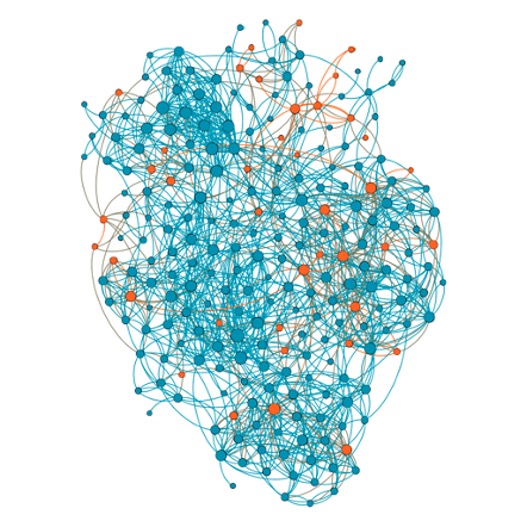
In 2016 I started a Ph.D. at the Department of Psychology at Florida International University (MSc. In Psychology on track). My major was Developmental Science, and I completed a certificate in quantitative methods. During my doctoral studies, I mostly worked in global health. I soon began my journey towards the application of social network analysis methods to health outcomes.
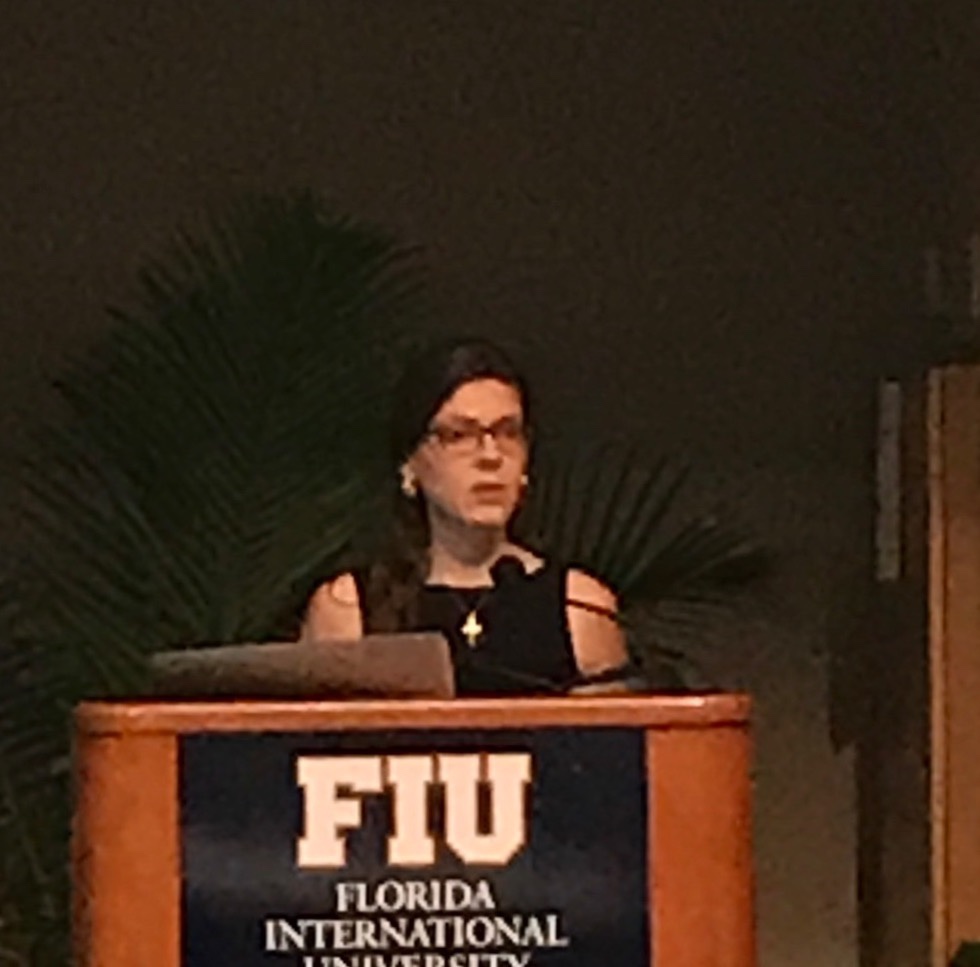
I received an NIH Fogarty Global Health Equity Scholars fellowship (GHES) award.-doctoral fellowship to fund my fieldwork on adolescent social networks and violence.
I completed my PhD in 2021, with a dissertation on mixed-methods community-engaged social network analyses. The focus of this work was on exploring the relationship between youth mental health, violence, in the context of their supportive and adverse social networks (signed, socio-centric networks). For this research, I was able to survey almost 250 adolescents attending the public high school in a rural community (90,5% of recruitment) . I also conducted qualitative work with their parents.

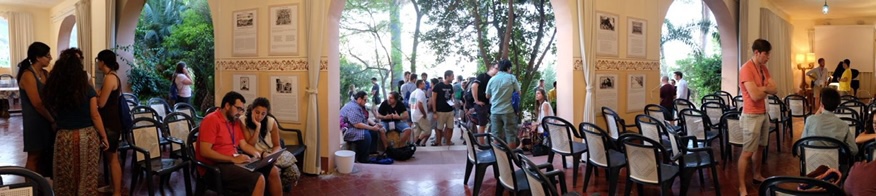
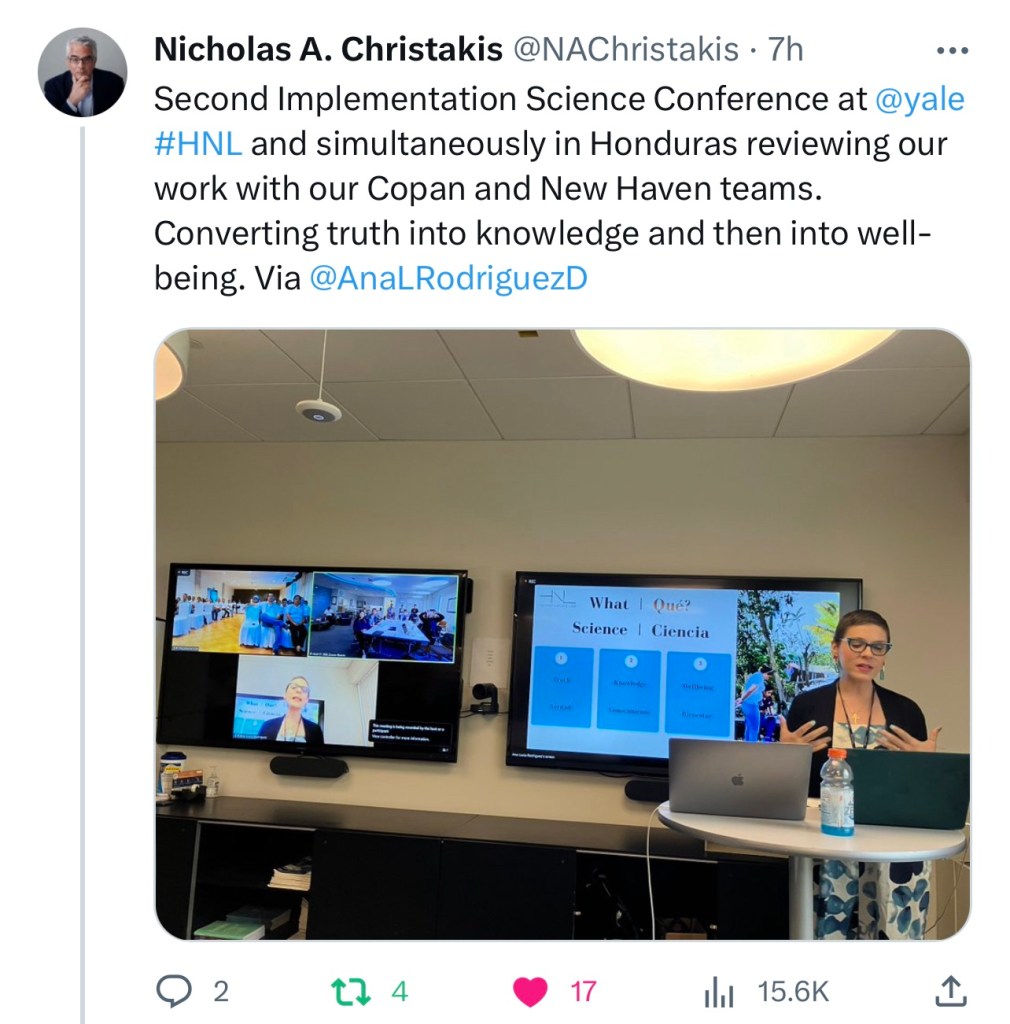
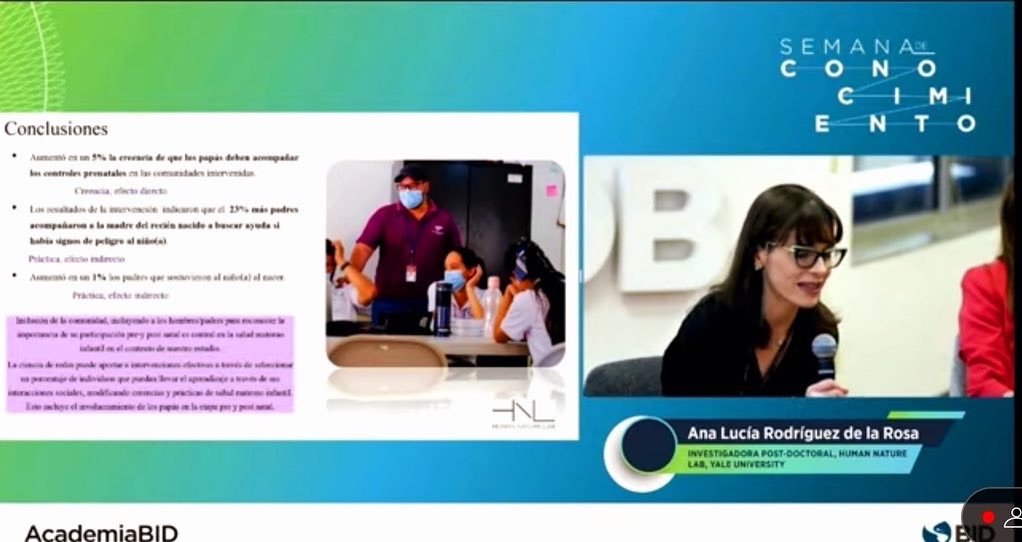
My next step in training was as a post-doctoral associate at the Human Nature Laboratory, led by Nicholas Christakis, at Yale University. At the HNL Lab, I have continued my work on community social networks in the context of Low and Middle-Income Countries. In the present, our research is mostly based in Honduras.
At the Yale I have been supported and lifted by a brilliant, vivid and creative environment.
After completing my post-doctoral training, I was promoted to Associate Research Scientist (2022) and then to Research Scientist (2024).
In the present I have been able to bring my extensive experience in project management and policy to lead the implementation and fieldwork of more that 6 studies in socio-biological sciences, ranging from microbiome and genetic studies to social experiments. From the initial idea to the dissemination to our stakeholders and participants, I coordinate our scientific protocols followinf a “Lab in the field approach”. This fascinating opportunity to coordinate and optimize the science in the cultural and environmental settings we go to; the technology, ethics, stakeholder involvement (such as the local authorities) and the corresponding logistics to design sound and culturally responsive science occupies most of my days. I then, often get to be part of the scientific studies themselves too!
 Ana Lucia Rodriguez de la Rosa Ph.D.